The Voice Project
Diving Dream, Norwich History Festival
The Voice Project is a creative collaboration between singers Jonathan Baker and Sian Croose, drawing on over 30 years of practice creating performances and running community music projects
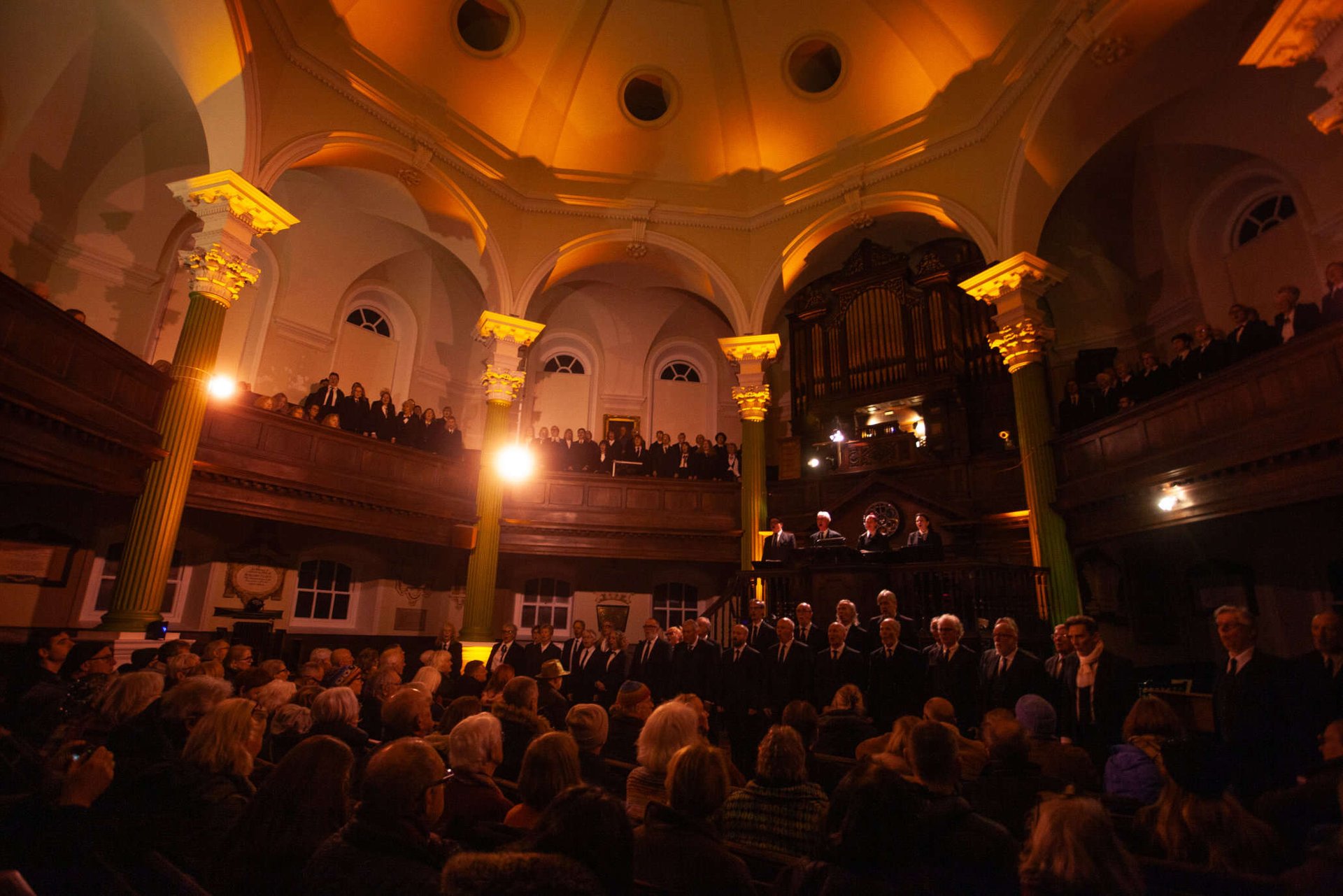
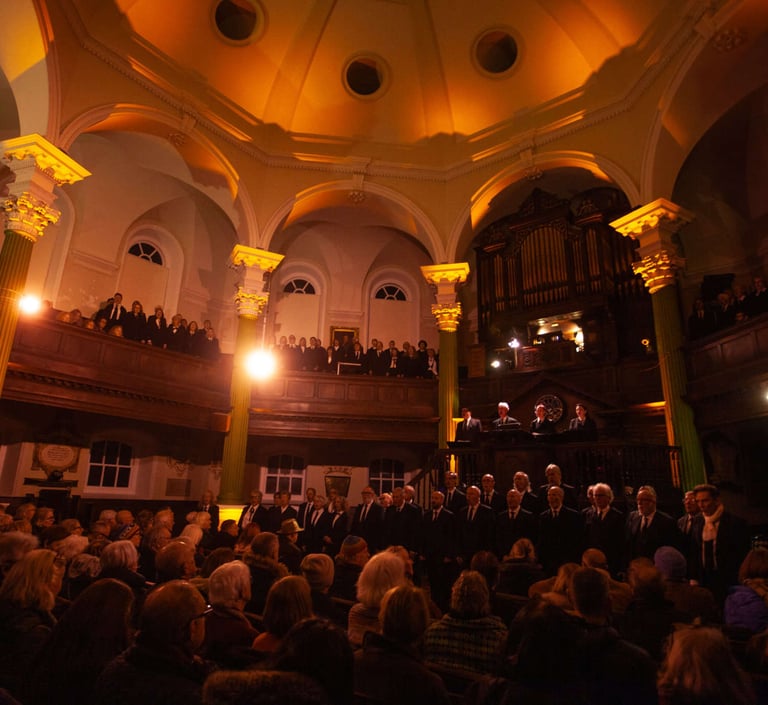
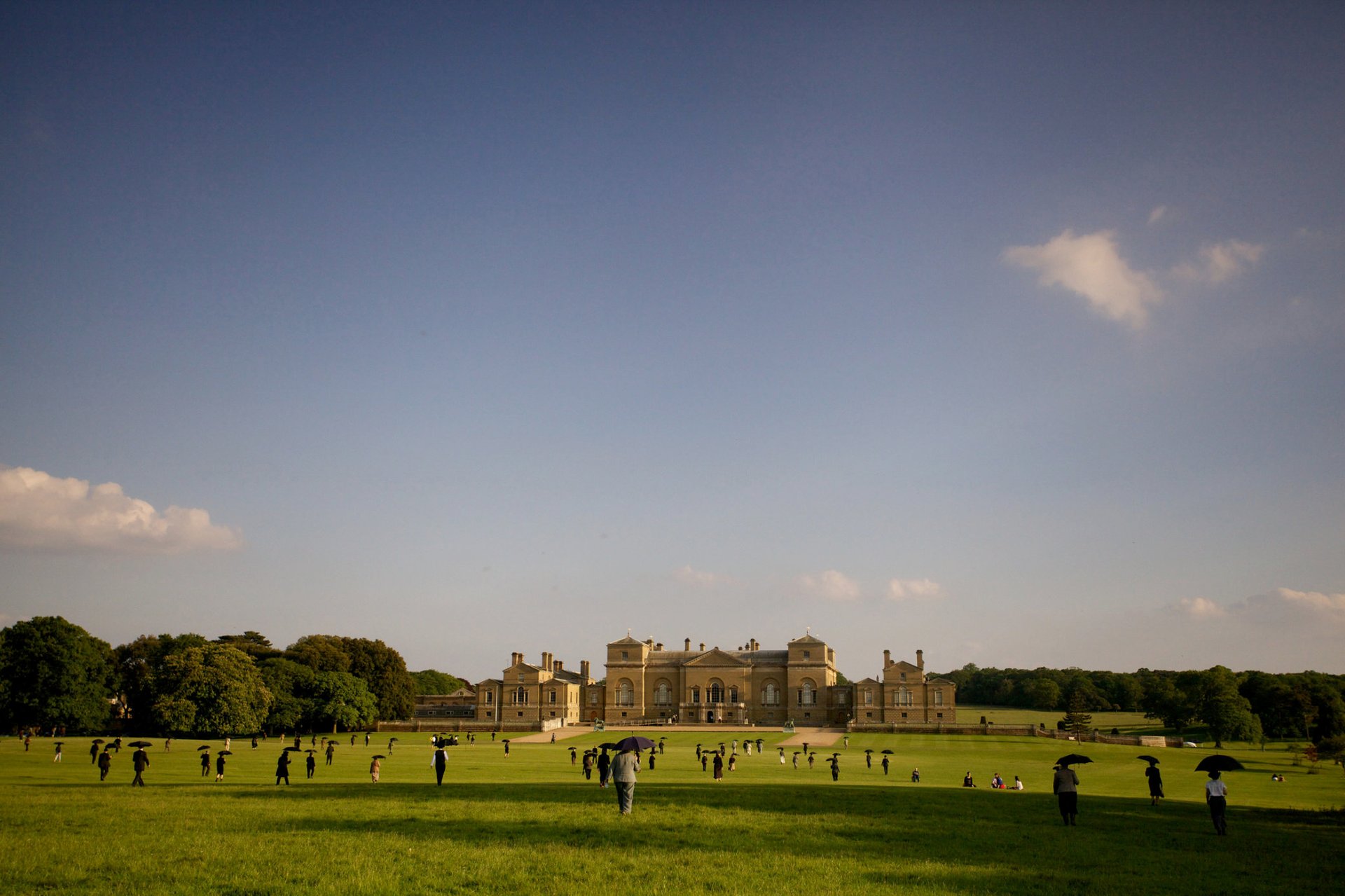
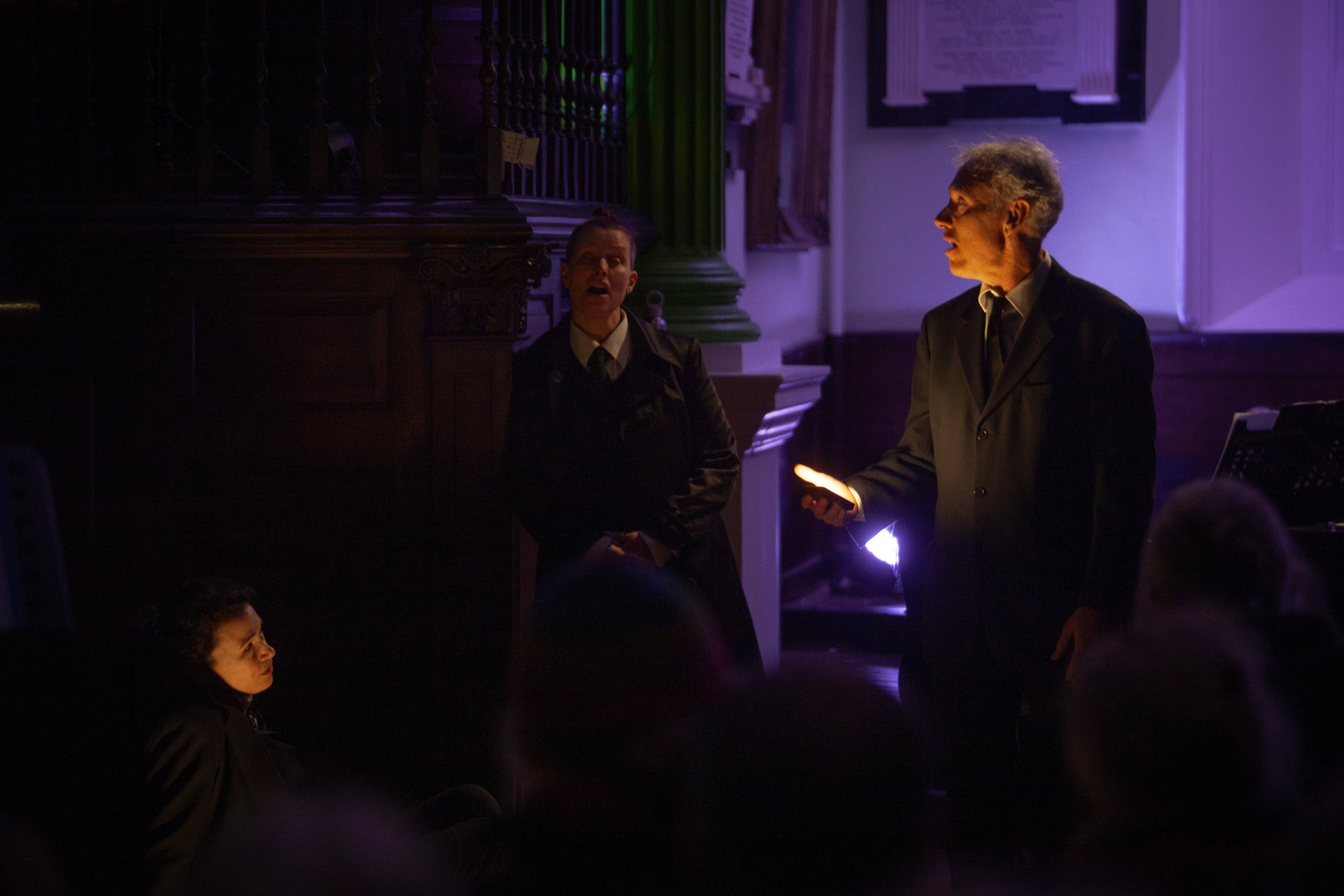
We've been creating large site-responsive performances since 2008 on city streets, in churches and cathedrals, galleries and theatres, disused factories and stately homes.
Each project begins with an idea, a theme or a location as inspiration for our creative journey,
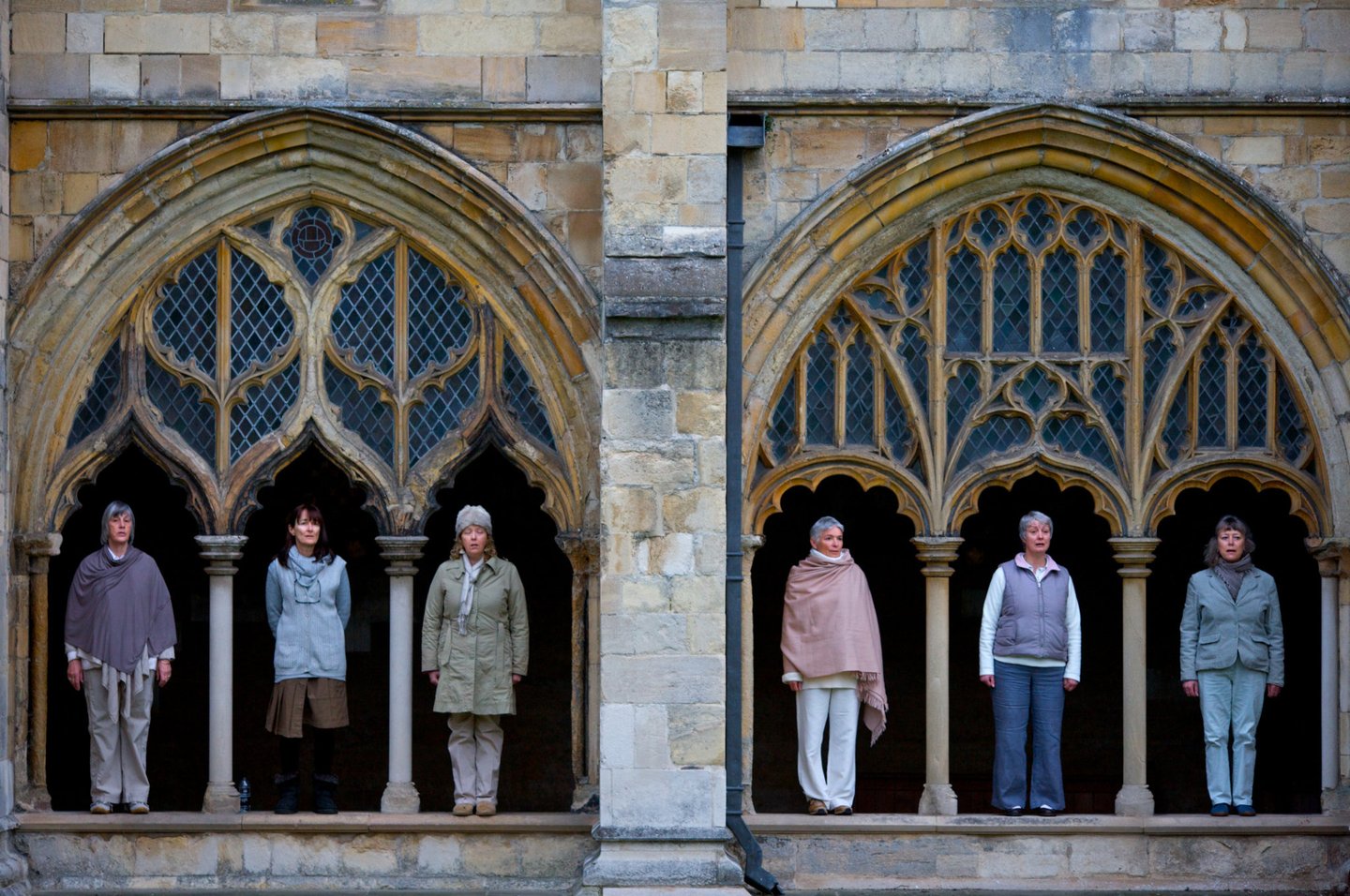
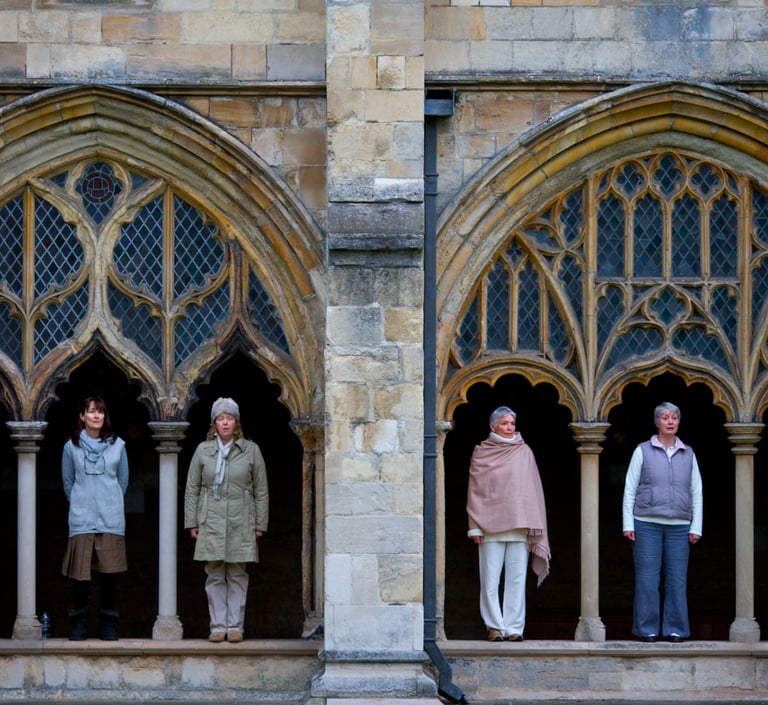
Anyone can join the choir as part of a performance project or take part in our Open Voices courses in Norwich, Brighton, and online.
We offer a range of ways to get involved, learn new skills and build your confidence as part of a vibrant and friendly singing community.
Upcoming Projects
Performances of our latest project Diving Dream will be at 7pm and 9.30pm on 18 July, at the Octagon Chapel, Norwich, as part of Norwich History Festival.
Rehearsals will take place in Norwich and online from June up to 18 July. Join the choir or buy tickets to see the performances.
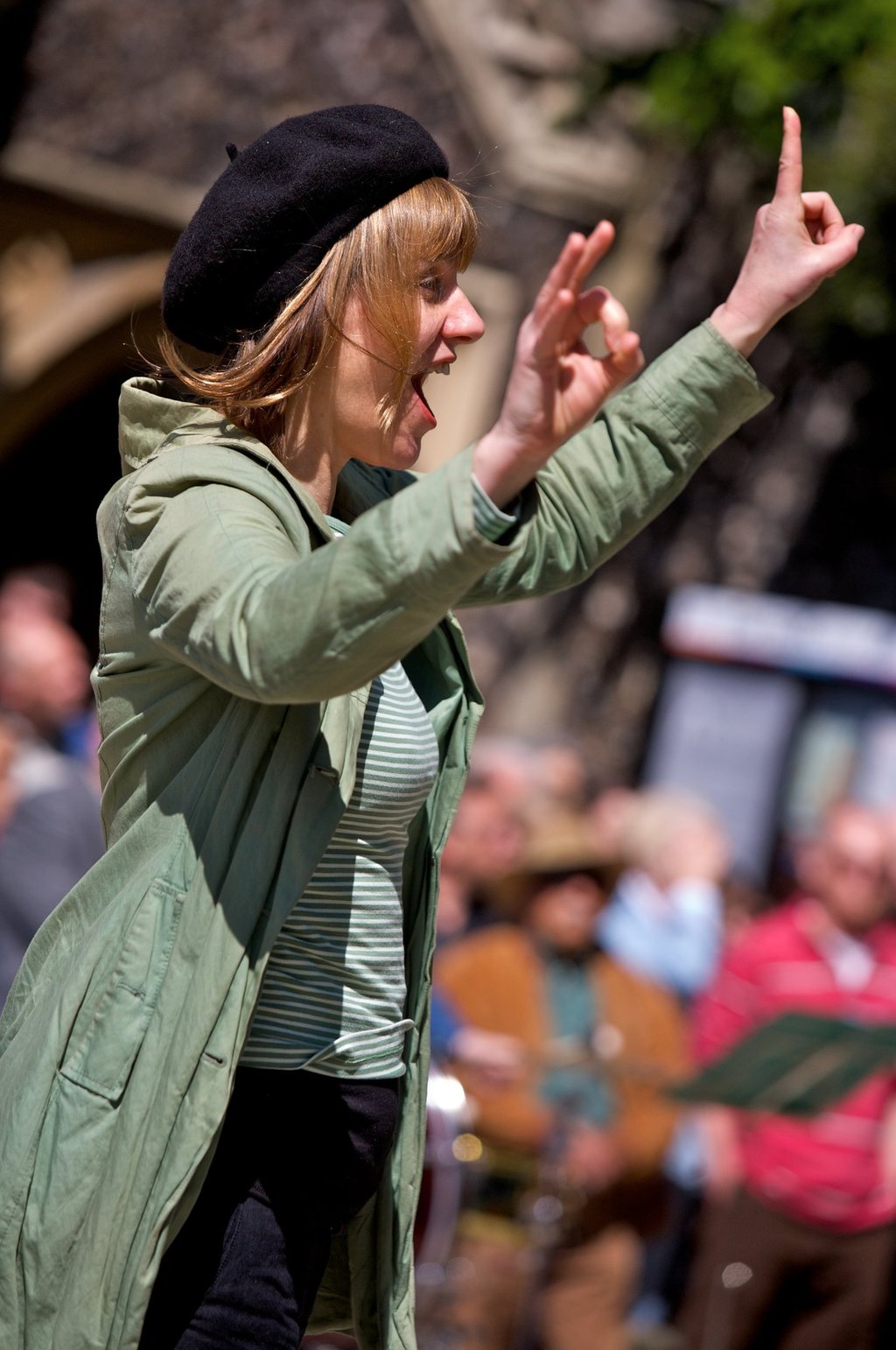
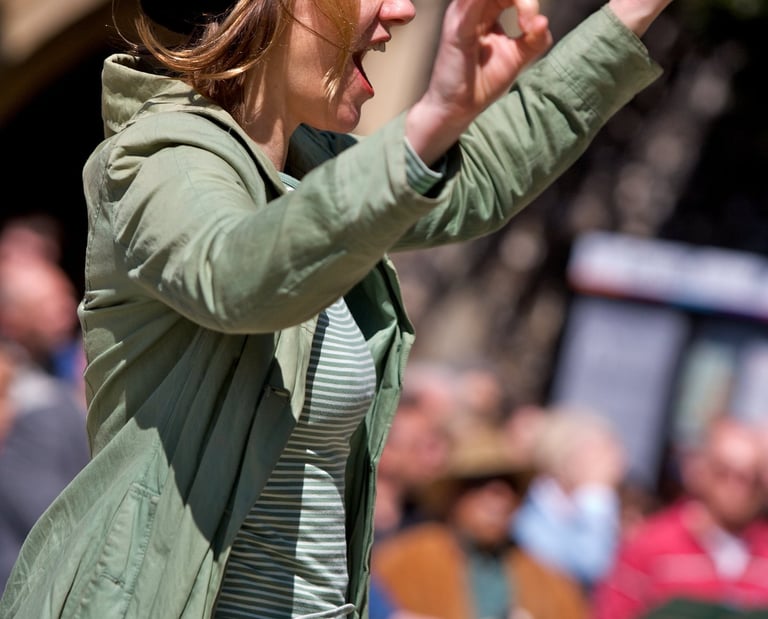
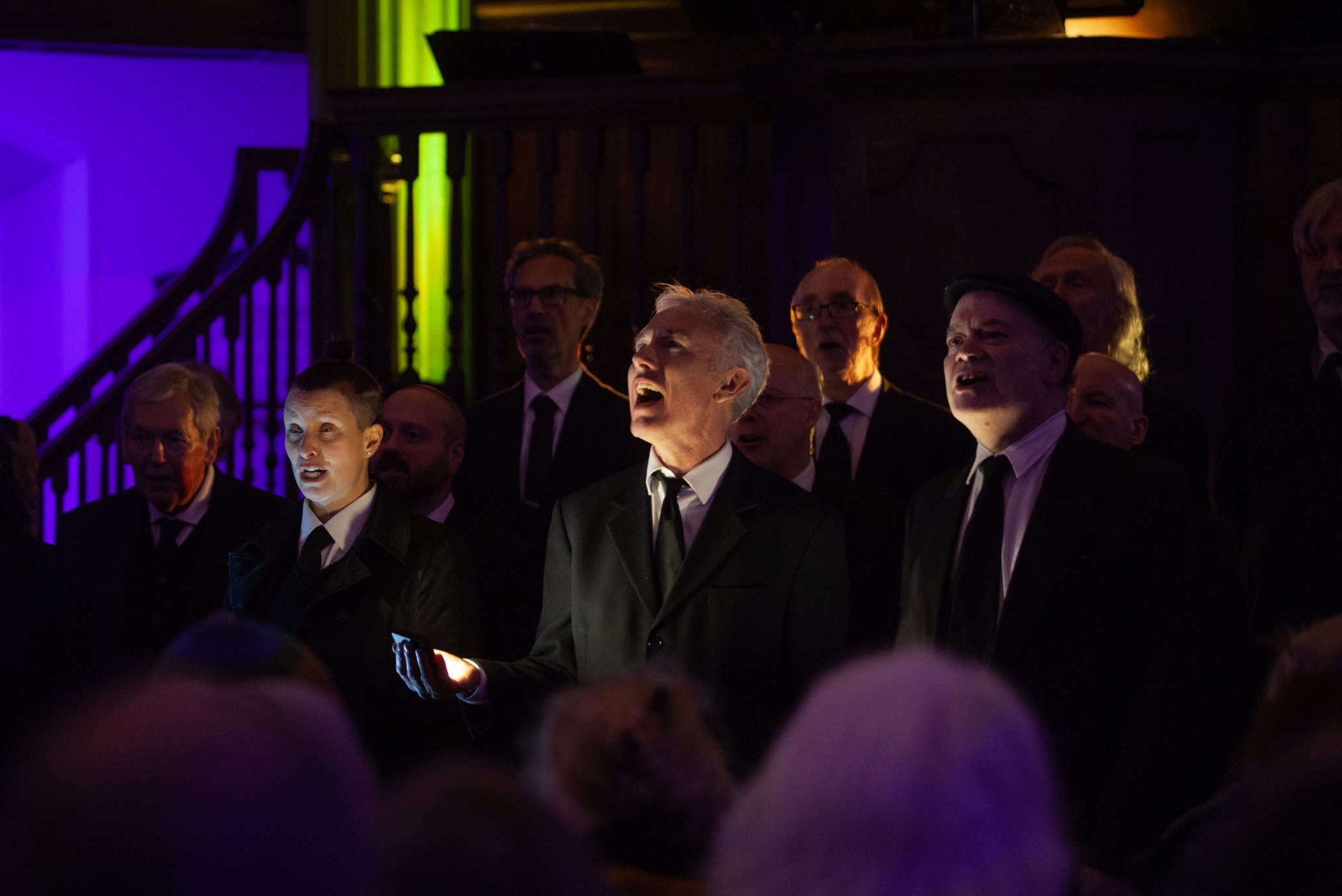
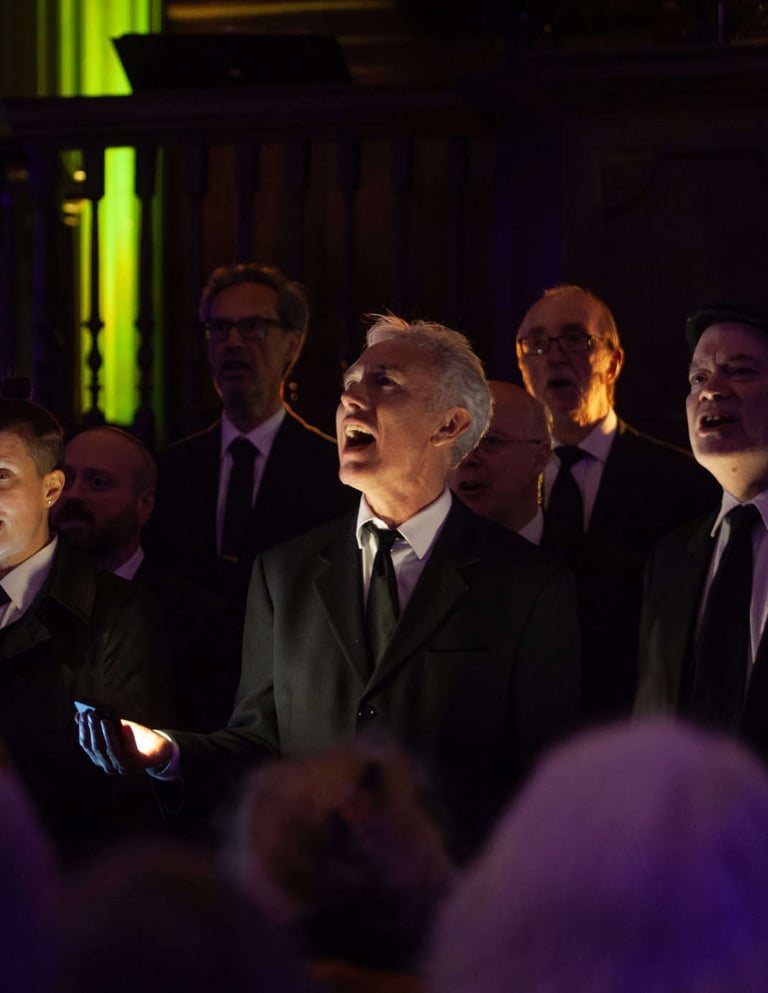
Short 4-6 week courses and day workshops focusing on different aspects of singing and music such as Vocal Wellbeing, Harmony Singing, Reading Music, Start the Week Singing, Jazz Rhythm and Groove. Open to all, no experience required.
Open Voices
Norwich, Brighton and online
See and Hear Us
Performances
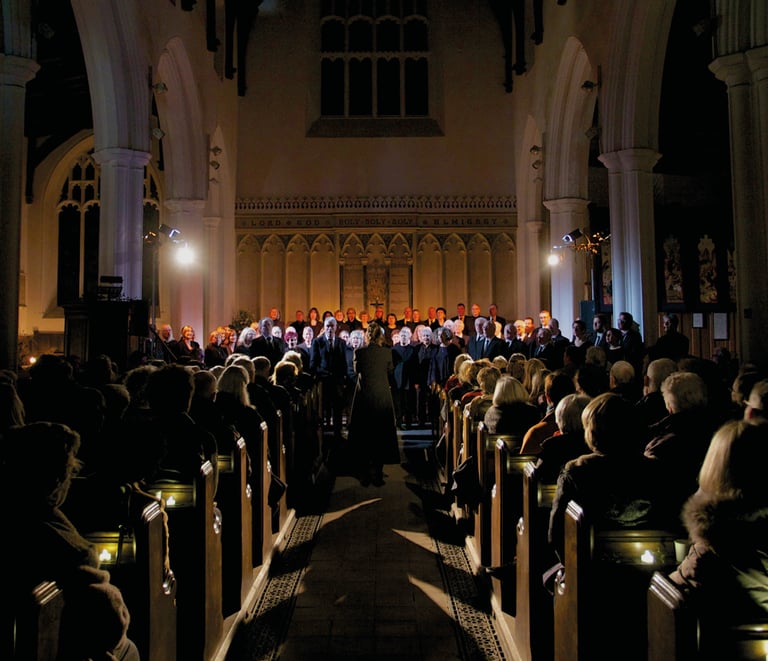
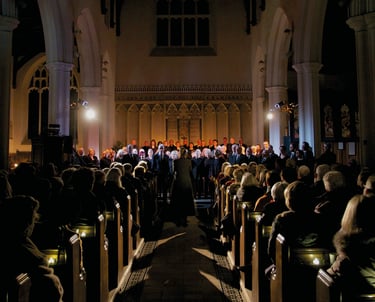
Buy tickets for Diving Dream on 18 July, at 7pm and 8pm. Click the link below to go to our booking website.
Films
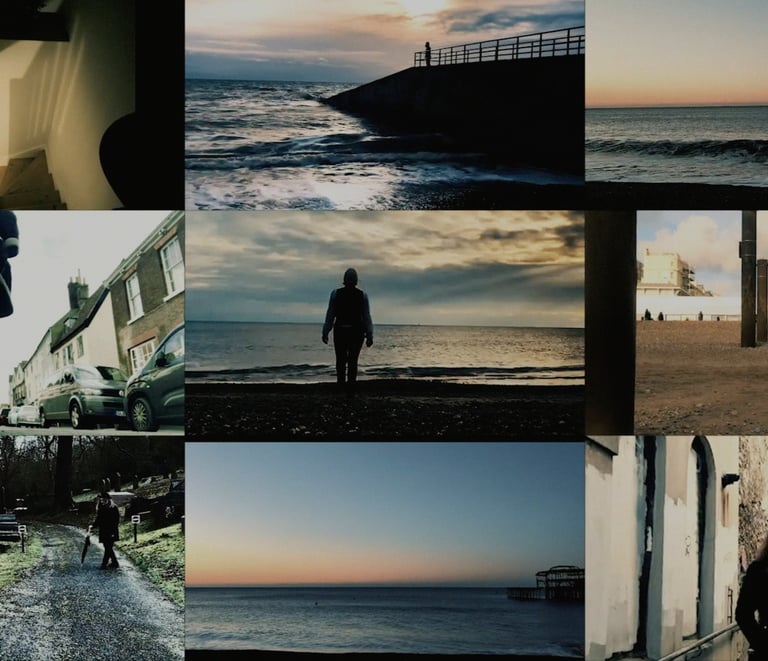
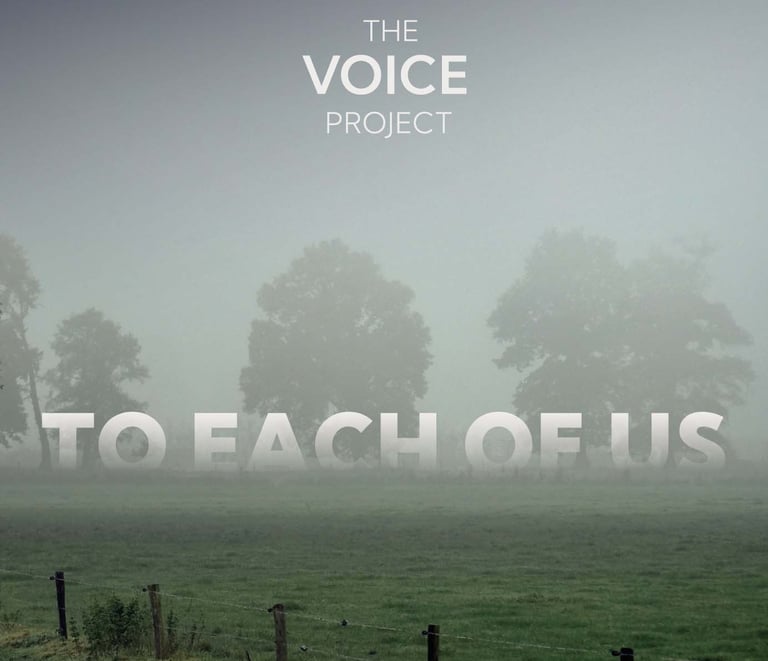
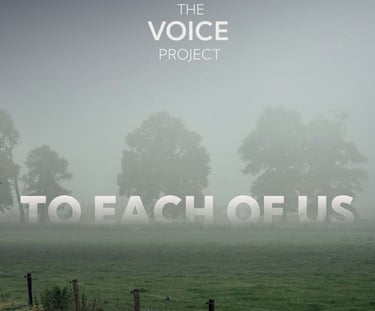
On our YouTube channel you can see our films Arc of the Sky and The Distance Between Us, as well as short films for individual songs.
Music
Buy tickets for a performance, listen to our music or watch our films
Performance Projects
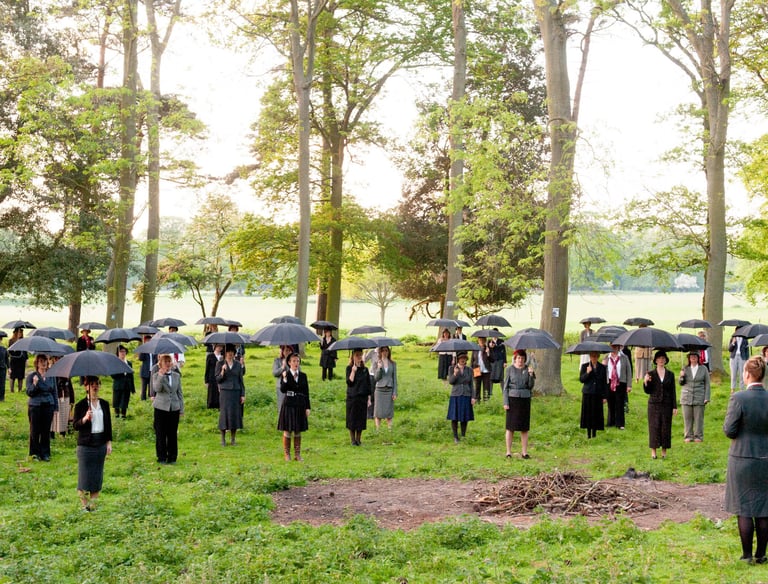
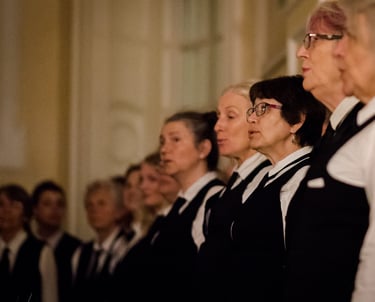
Anyone can join the choir as part of a performance project. We recruit the choir anew for each project. There are no auditions and no need to read music.
Open Voices
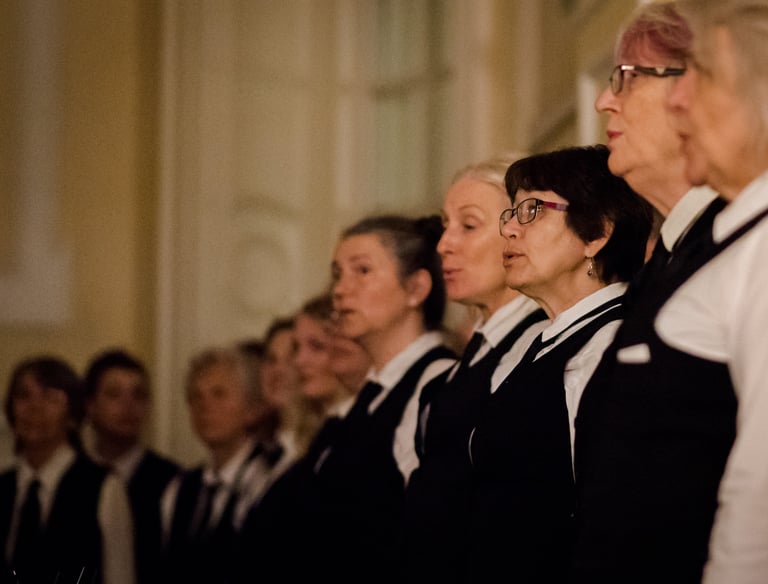
Short 4-6 week courses or day workshops, in Norwich, Brighton and online focusing on different aspects of singing and music. Open to all, no experience required.
Our professional development programme for performers, creative artists and anyone interested in voice and movement, keen to develop their practice by working across disciplines with outstanding practitioners.
Scenius (CPD)
Take Part
Book our projects and courses below
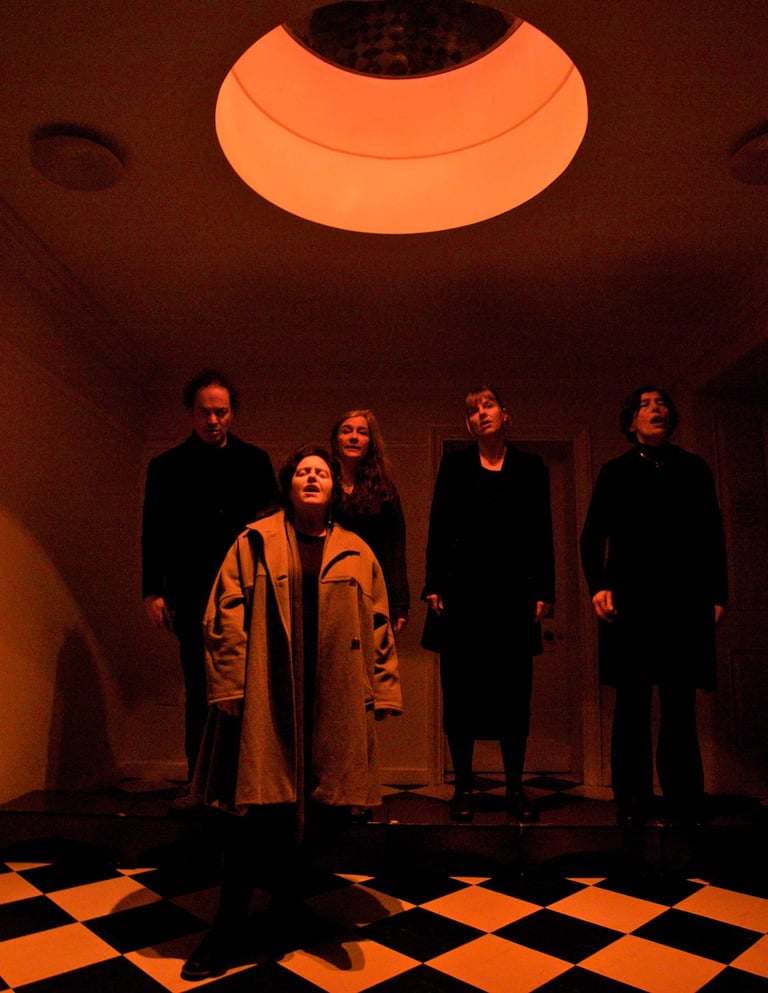
Scenius
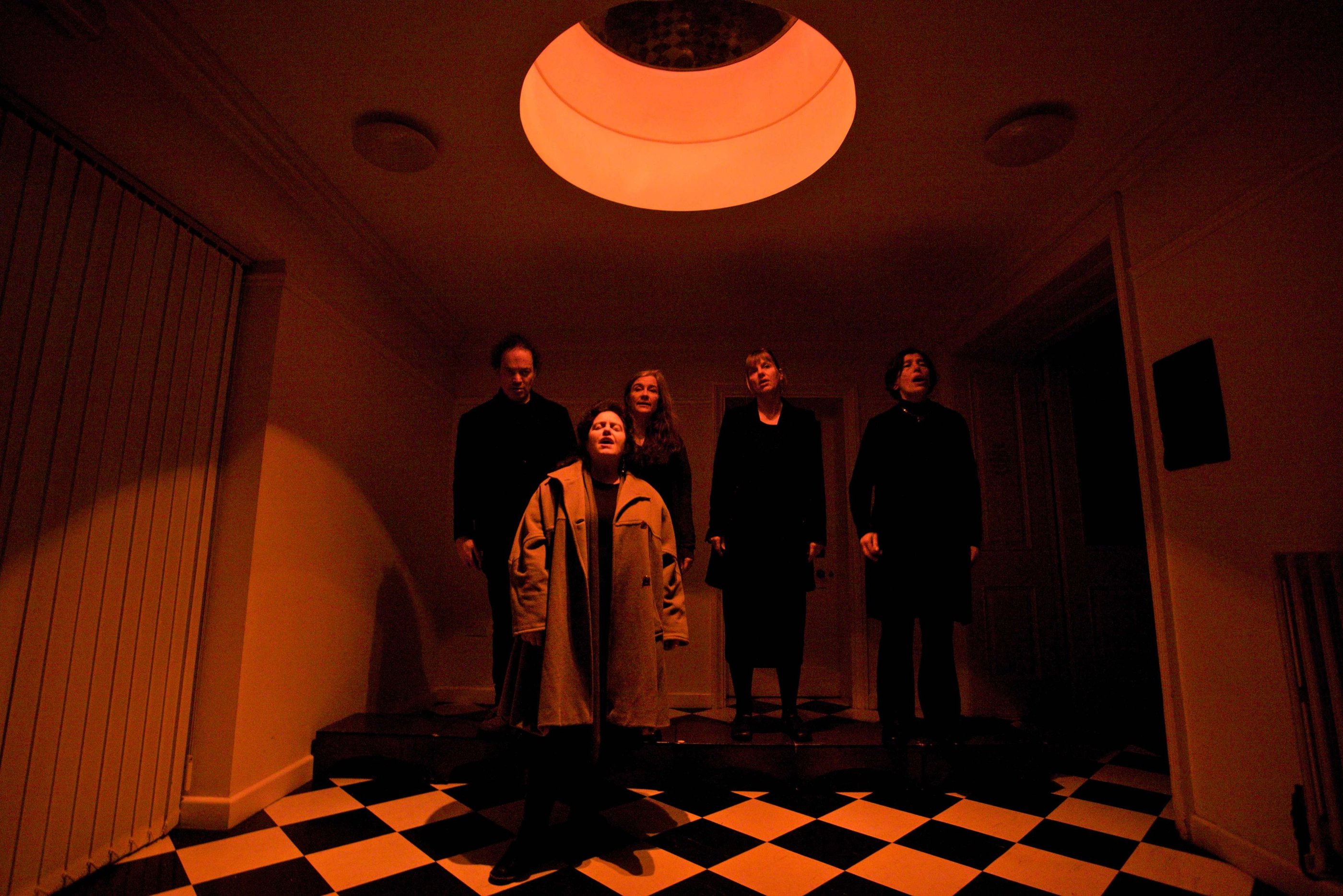
Our professional development programme for performers, creative artists and anyone interested in voice and movement, keen to develop their practice by working across disciplines with outstanding international practitioners who share their knowledge and experience to enable us to expand and develop our own skills, creativity and understanding.
"Scenius stands for the intelligence and the intuition of a whole cultural scene. It is the communal form of the concept of the genius."
Brian Eno